Preventing Baby Bottle Tooth Decay: What Every San Antonio Parent Needs to Know


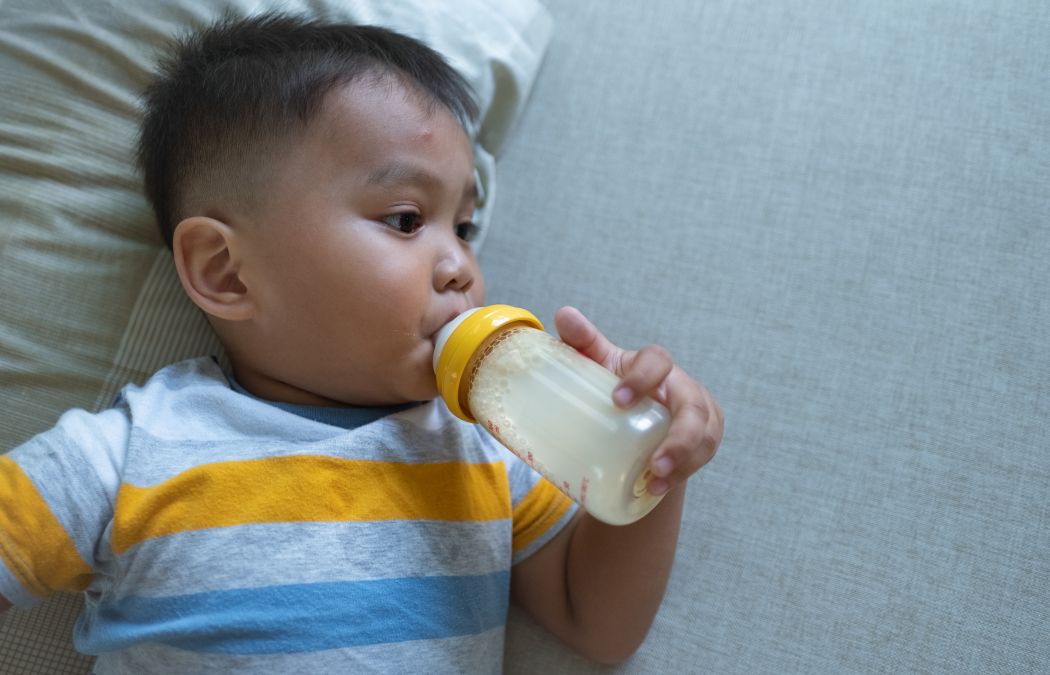

Those first tiny teeth are precious milestones—and they're more vulnerable than many parents realize. Baby bottle tooth decay, also called early childhood caries, remains one of the most common chronic diseases affecting young children in the United States. The condition causes pain, difficulty eating, speech problems, and can even affect how permanent teeth develop.
The encouraging news? Baby bottle tooth decay is largely preventable. At Helotes Pediatric Dentistry & Orthodontics, Dr. Poonam Shah and Dr. Kara Whittington—both board-certified pediatric dentists—help San Antonio families understand the causes of early childhood caries and implement practical strategies to protect their children's smiles from the very beginning.
Understanding Baby Bottle Tooth Decay
Baby bottle tooth decay typically affects the upper front teeth, though other teeth can be involved. The name comes from a common cause: prolonged exposure to sugary liquids, often from bottles given at naptime or bedtime. However, the condition can develop from any frequent, prolonged exposure to sugars—not just from bottles.
The process begins with bacteria. Every mouth contains bacteria, and certain types feed on sugars from food and drinks. As these bacteria digest sugars, they produce acid. This acid attacks tooth enamel, eventually creating cavities.
In young children, several factors make this process particularly damaging:
Extended Contact Time: When babies fall asleep with bottles, the sugary liquid pools around teeth for hours. Unlike during waking hours when saliva flow and swallowing help wash away sugars, sleeping children have reduced saliva production and swallowing, leaving teeth bathed in decay-causing liquids.
Thin Enamel: Baby teeth have thinner enamel than permanent teeth, making them more susceptible to acid attacks. What might take years to cause a cavity in an adult tooth can happen much faster in a primary tooth.
Developing Immune Systems: Young children's immune systems are still learning to manage oral bacteria. The bacterial balance in the mouth shifts during early childhood, and early exposure to decay-causing bacteria can establish problematic populations that persist for years.
Common Causes Beyond the Bottle
While bottles at bedtime represent the classic cause of baby bottle tooth decay, many other factors contribute to early childhood caries:
Sippy Cups Throughout the Day: When children carry sippy cups filled with juice, flavored milk, or other sweetened beverages, they expose their teeth to constant sugar. Even if they're not drinking continuously, frequent sips throughout the day mean frequent acid attacks on enamel.
Breast Milk at Night: Although breast milk provides ideal nutrition for infants, extended nighttime nursing sessions—particularly after teeth have erupted—can contribute to decay. The natural sugars in breast milk, combined with reduced saliva flow during sleep, create conditions similar to bottle feeding.
Sharing Utensils: The bacteria that cause cavities are transmissible. When parents or caregivers share spoons, taste food before feeding it to children, or clean pacifiers with their own mouths, they can pass decay-causing bacteria to their children.
Frequent Snacking: Grazing on crackers, fruit snacks, or other carbohydrate-rich foods throughout the day exposes teeth to repeated acid production. The frequency of sugar exposure matters as much as the quantity.
Medications: Many children's medications contain sugar to improve taste. Liquid medications taken multiple times daily can contribute to decay, particularly when given at bedtime.
Why Baby Teeth Matter
Some parents wonder whether decay in baby teeth really matters since these teeth will eventually fall out anyway. The answer is unequivocally yes—baby teeth serve crucial functions that affect your child's development in multiple ways.
Nutrition and Growth: Children with severe tooth decay often have difficulty eating, particularly foods that require chewing. This can affect their nutrition and growth during critical developmental years.
Speech Development: Baby teeth play important roles in speech development. Children learn to form sounds using their teeth, and missing or damaged front teeth can affect pronunciation.
Space Maintenance: Baby teeth hold space for permanent teeth developing beneath them. When baby teeth are lost prematurely to decay, neighboring teeth can shift into the empty space, causing crowding and alignment problems when permanent teeth try to emerge.
Infection Risk: Untreated cavities can lead to painful infections that, in severe cases, spread beyond the mouth. Young children have ended up hospitalized due to dental infections that could have been prevented.
Establishing Patterns: The bacterial populations in a child's mouth during early years influence decay risk for years to come. Children who develop cavities in baby teeth are significantly more likely to have cavities in their permanent teeth.
Self-Esteem: Even young children notice when their teeth look different from their peers'. Severe decay affecting front teeth can impact a child's willingness to smile and their developing self-image.
Prevention Strategies That Work
Protecting your child's teeth from decay doesn't require complicated interventions—it requires consistent attention to a few key practices.
Never Put Baby to Bed with a Bottle
This single change prevents more decay than almost any other intervention. If your baby needs something to fall asleep with, a bottle of plain water is the only safe option. Milk, formula, juice, and sweetened beverages should all be finished before bedtime, followed by tooth cleaning.
If your child is already accustomed to falling asleep with a bottle of milk or juice, transition gradually. Dilute the liquid with increasing amounts of water over one to two weeks until only water remains.
Clean Teeth and Gums Daily
Even before teeth emerge, wipe your baby's gums with a clean, damp washcloth after feedings. This removes milk residue and begins establishing oral hygiene as part of daily routine.
Once teeth appear, brush them twice daily with a soft-bristled infant toothbrush. For children under three, use a smear of fluoride toothpaste the size of a grain of rice. For children three to six, use a pea-sized amount. Dr. Shah and Dr. Whittington can demonstrate proper technique during your child's dental visits.
Limit Juice and Sweetened Beverages
The American Academy of Pediatrics recommends no juice before age one, and limited juice after that—no more than 4 ounces daily for children ages one to three. When juice is offered, serve it with meals rather than between meals, and always in a regular cup rather than a bottle or sippy cup that encourages extended drinking.
Water and plain milk are the best beverage choices for young children. If you choose to offer juice occasionally, consider diluting it with water to reduce sugar concentration.
Avoid Sharing Saliva
Break the habit of sharing utensils with your child or "cleaning" pacifiers in your own mouth. These practices transfer decay-causing bacteria from your mouth to your child's. If you have active cavities or a history of significant decay, this bacterial transfer is particularly concerning.
Establish a Dental Home Early
The American Academy of Pediatric Dentistry recommends that children see a dentist by their first birthday or within six months of their first tooth erupting—whichever comes first. This early visit isn't about detecting problems; it's about prevention.
During these early visits, pediatric dentists assess decay risk, provide guidance tailored to your child's specific situation, and apply preventive treatments like fluoride varnish when appropriate. Equally important, early visits help children become comfortable with the dental environment before any problems develop.
The Role of Fluoride
Fluoride strengthens tooth enamel and can even reverse very early decay before it becomes a cavity. For children at risk of baby bottle tooth decay, fluoride is a powerful preventive tool.
Fluoride Toothpaste: Using fluoride toothpaste, even in small amounts, provides topical protection every time you brush your child's teeth. The key is using the appropriate amount—a rice-grain smear for children under three, a pea-sized amount for children three and older.
Fluoride Varnish: During dental visits, pediatric dentists can apply fluoride varnish—a concentrated fluoride treatment that adheres to teeth and provides extended protection. The American Academy of Pediatrics and the American Academy of Pediatric Dentistry both recommend fluoride varnish applications starting when teeth emerge, repeated every three to six months for children at elevated decay risk.
Fluoridated Water: Community water fluoridation remains one of public health's most successful disease prevention measures. If your tap water is fluoridated, drinking it and using it to prepare formula provides systemic fluoride that incorporates into developing teeth.
Recognizing Early Signs
Catching decay early—before it becomes a cavity—offers the best chance for reversal or minimal intervention. Watch for these warning signs:
- White, chalky spots on teeth, particularly along the gum line (these indicate early demineralization and can sometimes be reversed with fluoride)
- Yellow, brown, or black discoloration on teeth
- Visible holes or pits in teeth
- Sensitivity to hot, cold, or sweet foods
- Pain or discomfort when eating
- Swelling around a tooth
- Unexplained fussiness, particularly related to eating
If you notice any of these signs, schedule a dental visit promptly. Early intervention can often prevent the need for more extensive treatment.
When Treatment Becomes Necessary
Despite best prevention efforts, some children do develop cavities. At Helotes Pediatric Dentistry & Orthodontics, the team approaches treatment with your child's comfort as a priority.
Treatment options depend on the extent of decay. Very small cavities may be treated with silver diamine fluoride, a liquid that can arrest decay progression without drilling. More established cavities typically require fillings. Severely decayed teeth may need crowns or, in some cases, extraction.
For children who are very young, anxious, or need extensive treatment, sedation options help ensure comfort and cooperation. Dr. Shah and Dr. Whittington offer both laughing gas (nitrous oxide) and oral conscious sedation, allowing them to complete necessary treatment while keeping children relaxed and comfortable.
Building Lifelong Oral Health
The habits established in early childhood influence oral health for life. Children who grow up brushing daily, limiting sugary snacks and beverages, and visiting the dentist regularly carry these habits into adulthood.
At Helotes Pediatric Dentistry & Orthodontics, helping children develop positive associations with dental care is central to the practice philosophy. Dr. Poonam Shah, who earned her pediatric dentistry certificate at Children's Hospital of Michigan and her dental degree from the University of the Pacific, was motivated to enter pediatric dentistry by her own childhood dental experiences. Dr. Kara Whittington, a Castroville native who completed her pediatric dentistry residency at UT Health San Antonio-Laredo after earning her DDS at UTHSCSA, brings deep local roots and a passion for child-friendly dental care.
Together, they've created an environment where children feel welcome and parents feel supported—because protecting young smiles takes a team effort.
Start Your Child's Healthy Smile Journey
Baby bottle tooth decay is preventable, and early intervention makes a difference. Whether your baby's first tooth just appeared or you're concerned about your toddler's dental health, the team at Helotes Pediatric Dentistry & Orthodontics is here to help.
Contact us at (210) 256-8581 to schedule an appointment at our office located at 11600 Bandera Rd #126 in San Antonio. We offer Saturday hours to accommodate busy family schedules and serve families throughout Helotes, San Antonio, and surrounding communities including Stanton Run and Braun's Farm. Let's work together to give your child a healthy smile that lasts a lifetime.


Meet Our
Dentists

At Helotes Pediatric Dentistry, we offer comprehensive,
compassionate care for children and teenagers.


Why Choose Us
Child-Friendly Orthodontics
Financing Available
Sedation Dentistry
Pediatric Hospital Dentistry


Our Limited Time Special Offers!
Helotes Pediatric Dentistry is committed to helping San Antonio, TX patients afford their dental care needs.

FREE
Orthodontic Consultation
Your child’s dental care is of the utmost importance. Get the answers you’re looking for today!
Learn more


